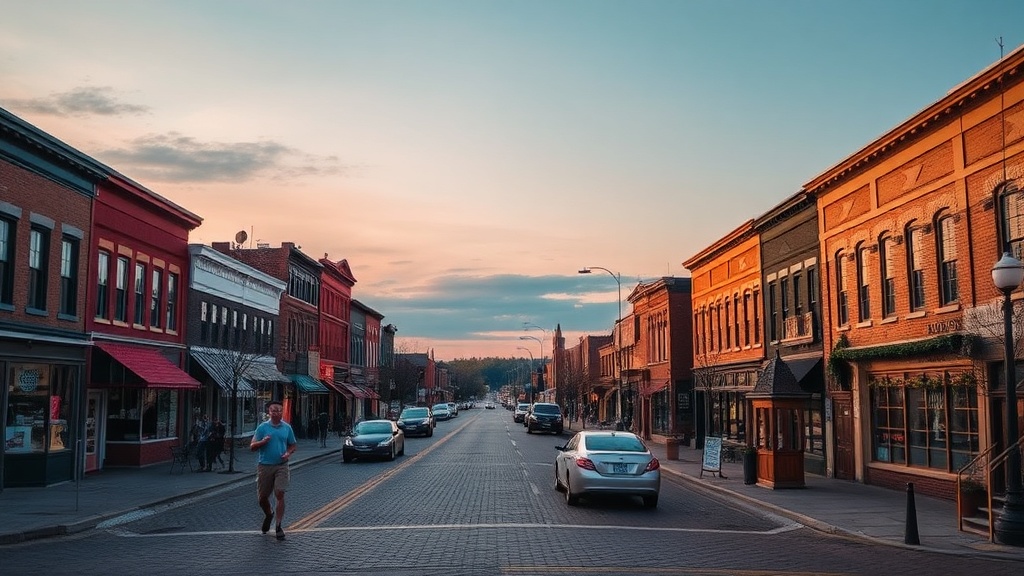
A Local’s Guide to Smiths Falls: What Actually Matters When You Spend a Day Here

Smiths Falls doesn’t try to impress you at first glance—and that’s exactly why it works. You don’t come here for spectacle. You come because it feels real. The kind of place where the pace slows down just enough that you notice things again: the sound of water moving through the Rideau Canal, the way people actually say hello, the fact that you can still find a decent coffee without a lineup wrapped around the block.
If you’ve got a day here—or even just a few hours—this is how to do it properly. No filler. No tourist fluff. Just what actually matters.
Start With the Canal (Because Everything Else Builds From It)
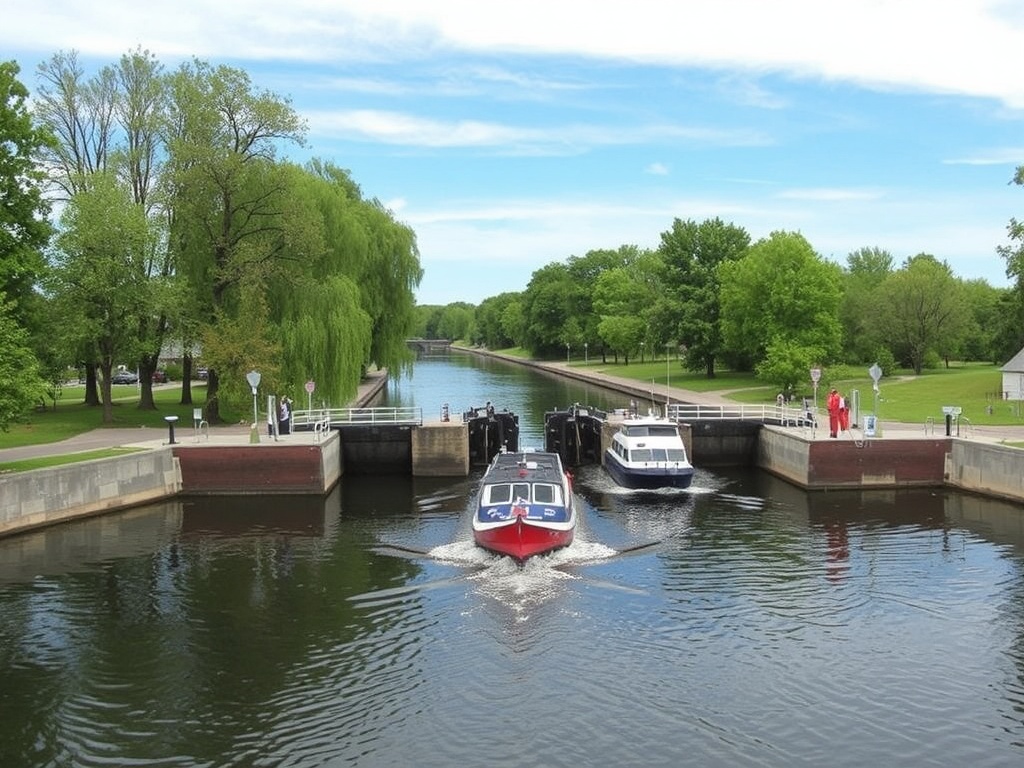
The Rideau Canal isn’t just a backdrop—it’s the spine of Smiths Falls. If you skip it, you’re missing the point.
Start your day walking along the locks. Early morning is best. Fewer people, softer light, and you can actually hear the water moving instead of traffic. Watch how the locks work if you catch a boat coming through—it’s slower than you expect, and that’s part of the appeal.
This is where you reset your pace. If you’re still mentally in “city mode,” give it ten minutes here. It wears off quickly.
There’s no need to rush. Walk the paths, cross the bridges, stop when something catches your attention. That’s how this place works.
Coffee That Doesn’t Feel Like a Production
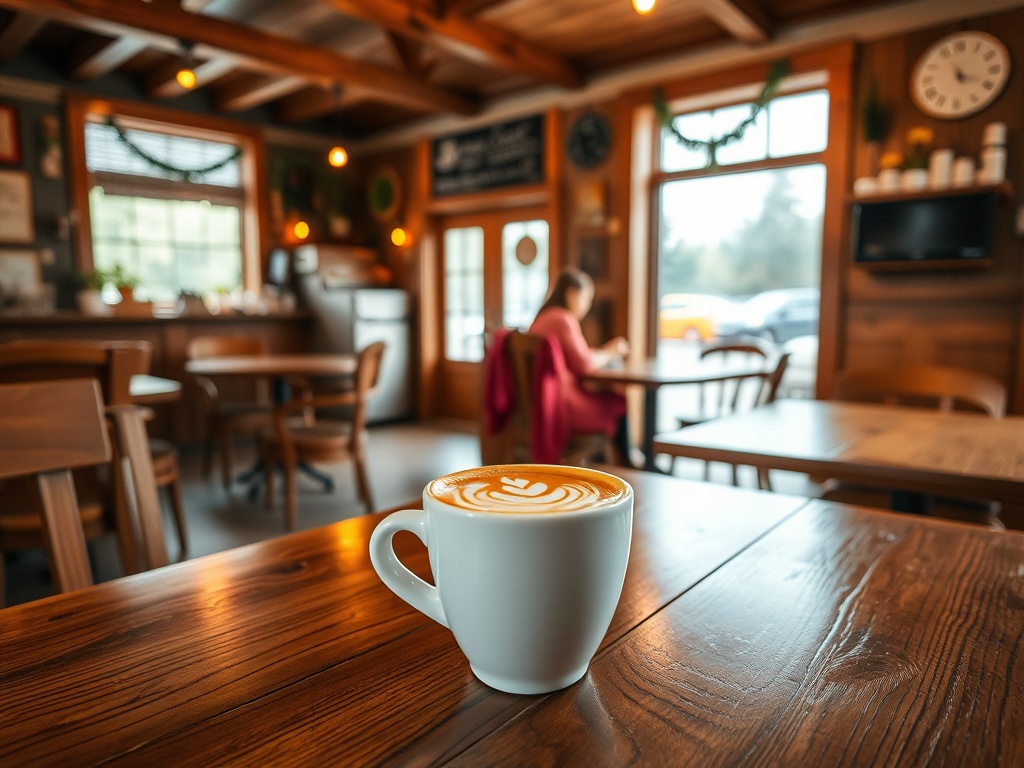
Smiths Falls has figured out something bigger cities forgot: coffee doesn’t need to be complicated to be good.
Find a local café, order something simple, and sit down. Don’t grab-and-go unless you absolutely have to. The point is to pause. You’ll notice regulars, quiet conversations, people who aren’t staring at their phones every second.
This is where the town reveals itself a bit. Not through landmarks, but through rhythm.
If you’re used to constant noise, the quiet here might feel strange at first. Give it time—it turns into clarity pretty quickly.
Downtown Isn’t Big—That’s the Advantage
You can walk most of downtown in under an hour. That’s not a limitation—it’s the feature.
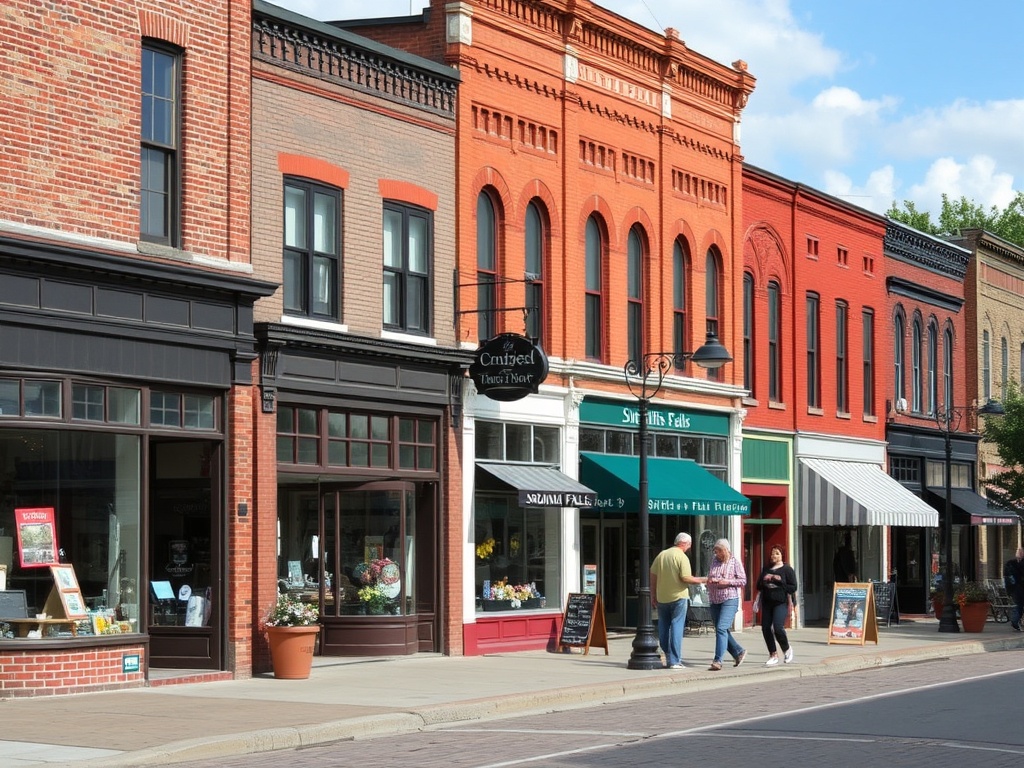
Because everything is close, you actually explore instead of planning. Pop into shops that look interesting. Some will be exactly what you expect. Others will surprise you.
Look for the small details: older signage, buildings that have clearly been repurposed over decades, spots that feel like they’ve been here forever because they have.
This isn’t a curated experience. It’s layered, a little uneven, and more interesting because of it.
Lunch: Keep It Local, Keep It Simple
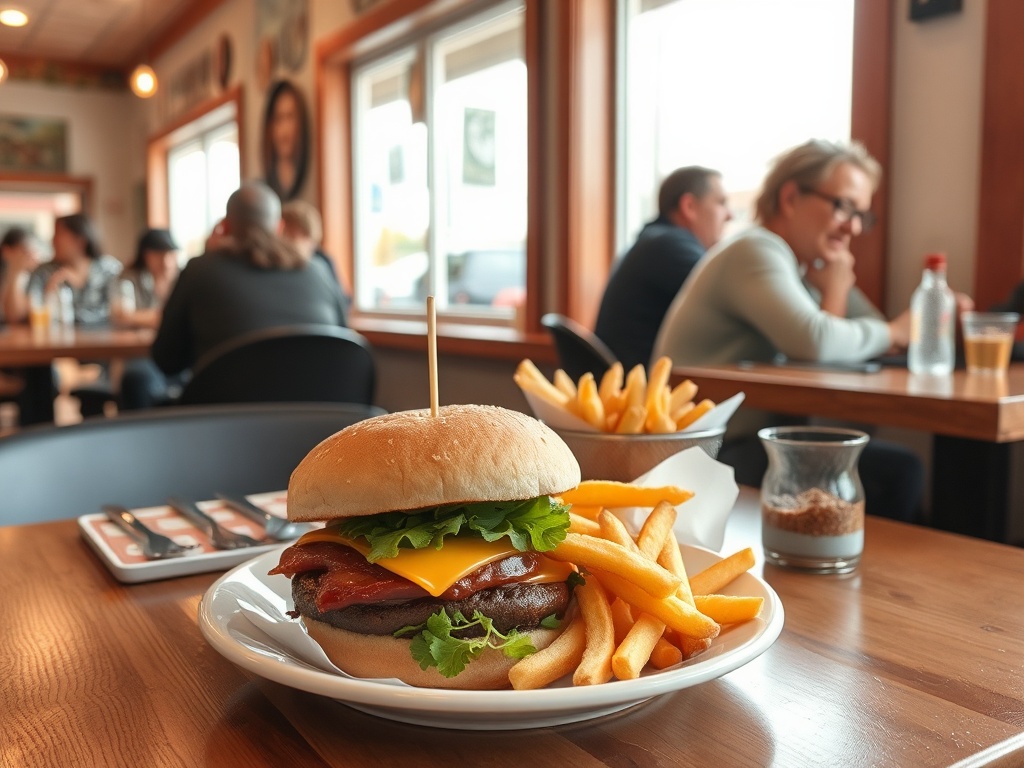
You don’t need a “top 10 list” here. Pick somewhere that looks busy but not chaotic. That’s usually the signal.
Menus tend to lean classic: sandwiches, burgers, soups, comfort food done properly. And honestly, that’s what fits here. You’re not chasing trends—you’re eating something that feels grounded.
If the weather’s decent, sit outside. If it’s not, grab a window seat. Either way, don’t rush through it. Meals here are meant to be part of the day, not just a stop in it.
The Unexpected Stops That Make the Day
The best parts of Smiths Falls aren’t always the obvious ones.
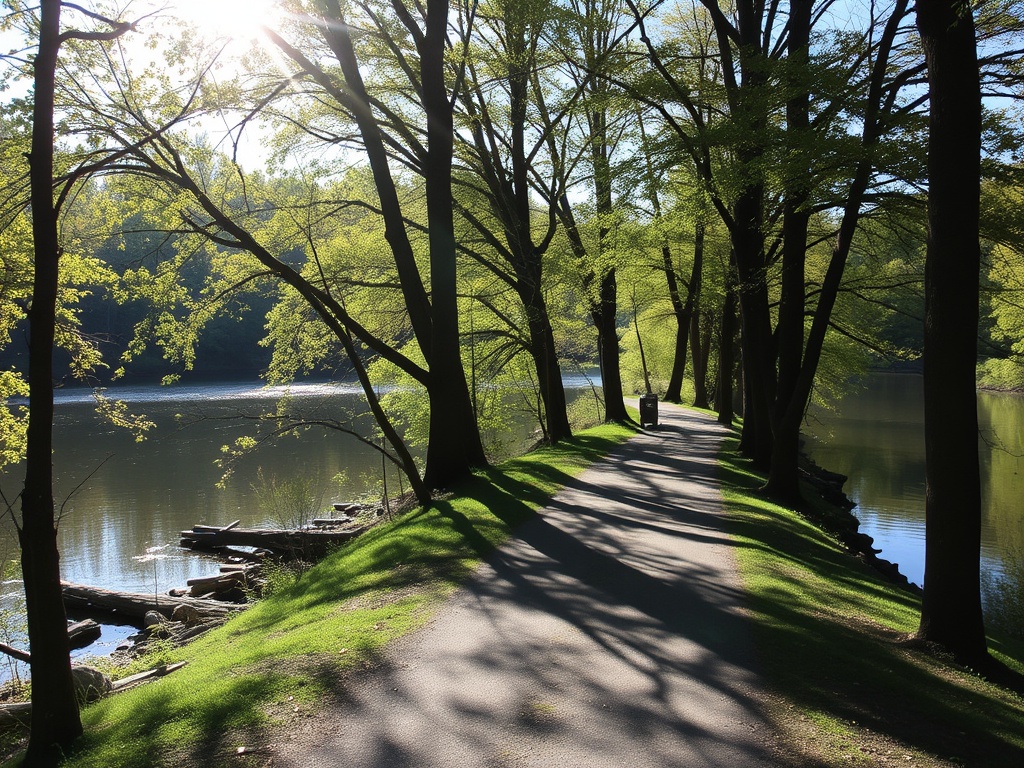
It might be a short detour down a side street that leads to a view of the water you didn’t expect. Or a conversation with someone who’s lived here for decades and has stories that don’t show up online.
There’s also a surprising amount of local history tucked into small spaces—museums, plaques, buildings that quietly carry more significance than they advertise.
Don’t overplan this part. Leave space for it. That’s where the day shifts from “nice” to memorable.
Afternoon Reset: Walk, Sit, Repeat
By mid-afternoon, do less. That’s the move.
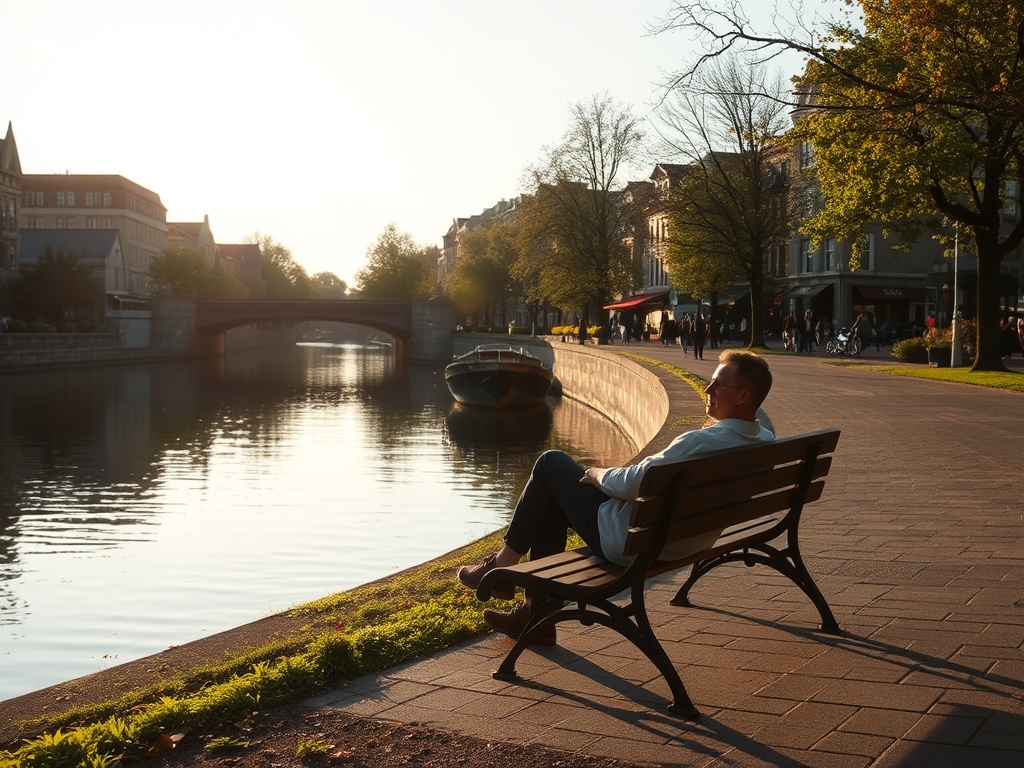
Go back toward the water or find a bench somewhere quiet. Sit longer than you think you should. Watch what’s happening around you. Boats passing, people walking dogs, the general rhythm of a place that isn’t trying to be anywhere else.
This is where Smiths Falls does its best work—when you stop trying to extract something from it and just let it exist.
Dinner Without the Rush
Dinner here isn’t about chasing reservations or squeezing into tight timelines.
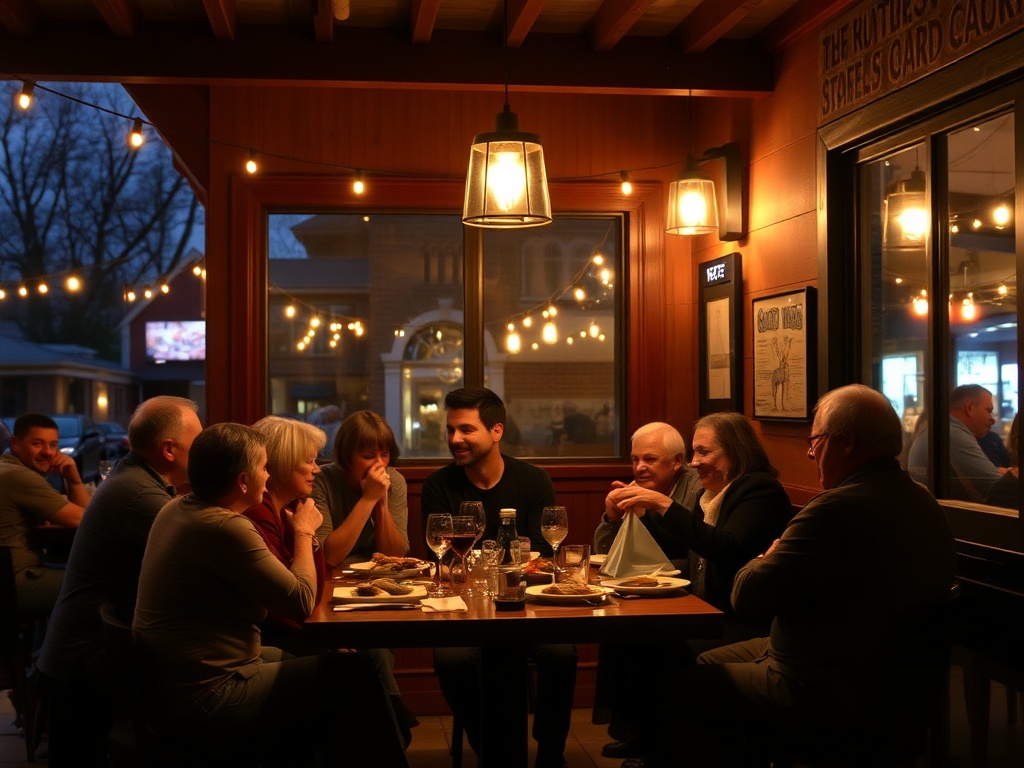
Show up, get a table, take your time. The food will be solid, the atmosphere relaxed, and no one’s trying to turn your table in 45 minutes.
It’s a different kind of dining experience—not elevated in a flashy way, but in a way that feels human again.
If you’ve spent the whole day moving at a slower pace, this is where it clicks. You realize you haven’t checked your phone as much. You’re actually present. That’s rare.
Evening: The Quiet Payoff
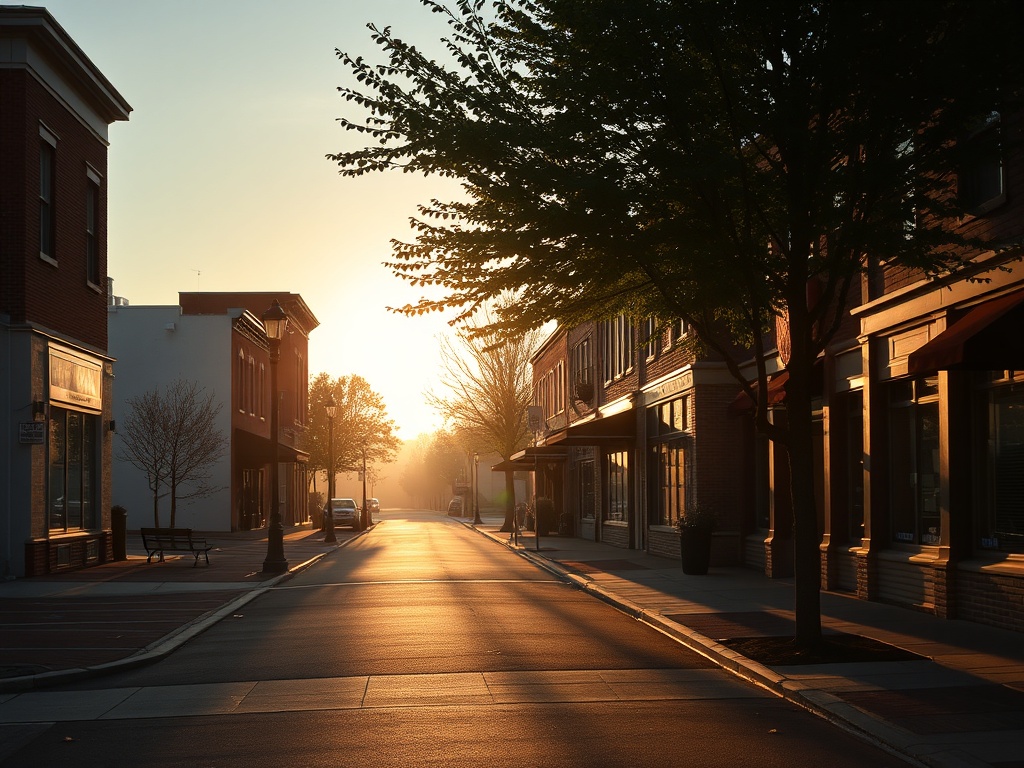
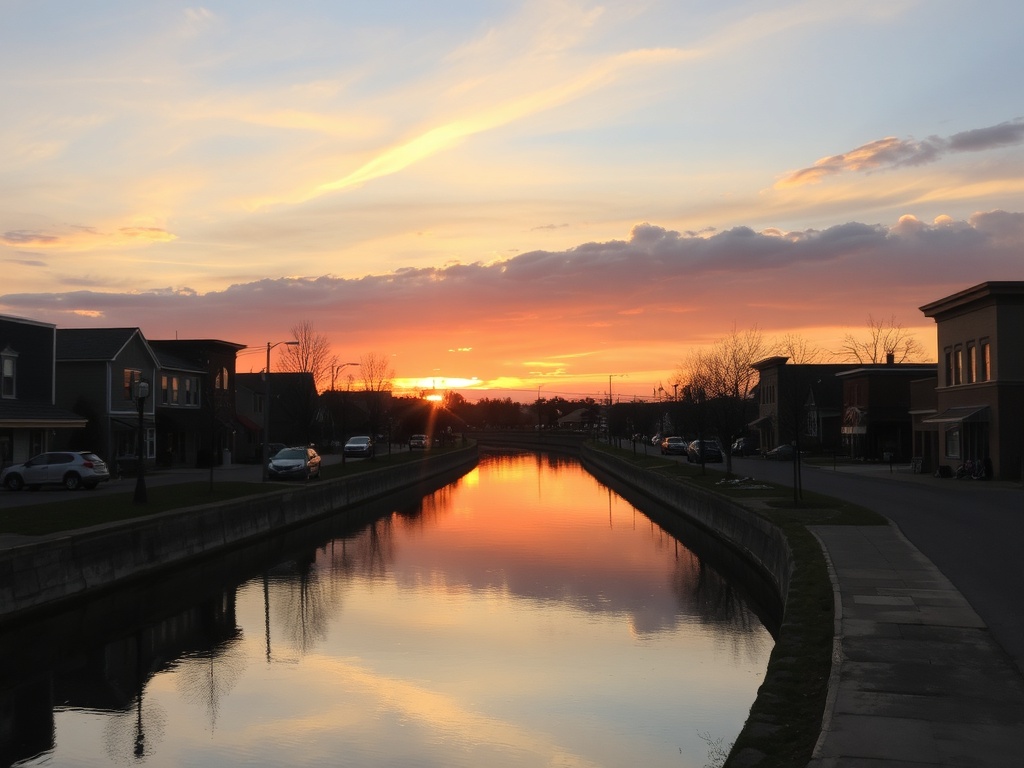
As the day winds down, Smiths Falls gets even quieter.
Take one last walk. The light changes, the streets empty out, and everything feels a little more reflective. This is the version of the town that sticks with you.
There’s no big finale here. No dramatic moment. Just a steady sense that you spent your time well.
And honestly, that’s better.
What People Get Wrong About Smiths Falls
People sometimes expect too much—or the wrong kind of thing.
If you come here looking for constant stimulation, you’ll miss it. If you come expecting it to feel like somewhere else, you’ll misunderstand it.
Smiths Falls works when you meet it on its own terms. Slow down, pay attention, and let the day unfold instead of forcing it.
It’s not trying to be a destination in the usual sense. It’s a place that reminds you what a good day actually feels like.
Final Take
If you do Smiths Falls right, you leave feeling different—not because you did more, but because you did less, better.
That’s the whole point.