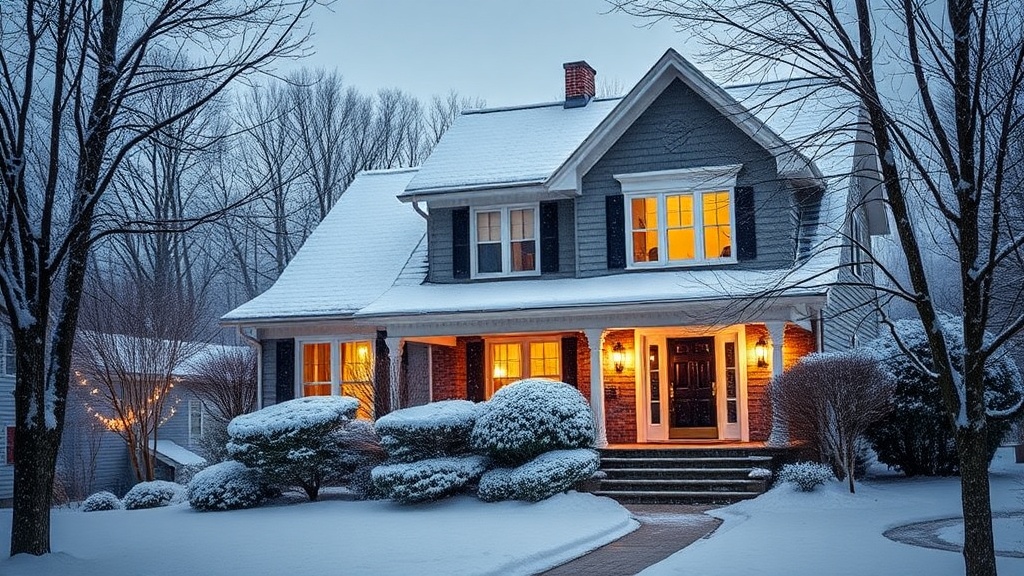
How to Winterize Your Smiths Falls Home Without Breaking the Bank

Most people think winterizing means expensive contractors and fancy equipment. That's not how we do things in Smiths Falls. With our position along the Rideau Canal and those brutal January winds coming off the water, our homes face unique challenges that generic advice won't solve. The good news? You can protect your property from freezing pipes, ice dams, and sky-high heating bills using local resources and straightforward techniques that don't require a professional.
Where Do I Start With Sealing Drafts Around Old Windows?
Our historic homes along Beckwith Street and those charming century properties near Victoria Park are beautiful. They're also drafty. Before you panic about replacement windows, consider what locals have been doing for generations.
Start with a walk-through on a windy day. Hold a lit candle near window frames, door jambs, and baseboards. When the flame flickers, you've found your culprit. For temporary sealing, plastic window kits from Home Depot on Lombard Street cost under $20 and buy you months of comfort. Apply them to the interior frame using the double-sided tape included, then shrink-fit with a hair dryer. It's not pretty, but neither is a $400 heating bill.
For doors, that worn weatherstripping around your exterior frames is doing almost nothing. Peel it off and replace it with V-strip weatherstripping from Canadian Tire on Highway 15. While you're there, grab a door sweep for the bottom gap. Most Smiths Falls homes lose 15% of their heat through the front door alone.
Don't ignore your outlets and light switches on exterior walls. Remove the cover plates and install foam gaskets behind them. They cost pennies and block surprising amounts of cold air. For larger gaps around plumbing penetrations in your basement, use expanding spray foam. Just don't overfill it — that stuff expands more than you think.
How Do I Keep My Pipes From Freezing When the Temperature Drops to -25°C?
Smiths Falls sits at a tricky elevation point where cold air settles, and our older infrastructure means some neighbourhoods deal with frozen pipes more than others. If you live on the lower streets near the Rideau River or in one of the heritage districts with shallow utility lines, this section is for you.
First, know your shut-off valves. Every homeowner in Smiths Falls should locate their main water shut-off — usually in the basement near the front wall. Test it once a year. When pipes freeze, minutes matter, and fumbling around in a panic helps nobody. If you're unsure where yours is, the Smiths Falls Water and Sewer department has diagrams available, or you can request a property inspection.
Prevention is simpler than most people think. Open cabinet doors under kitchen and bathroom sinks on exterior walls. This lets warm household air circulate around the pipes. If you have pipes running through unheated spaces like your garage or crawl space, wrap them with foam pipe insulation from Home Hardware on Main Street West. For extreme cold snaps, let faucets drip slightly. Moving water freezes more slowly, and the cost of a bit of water is nothing compared to a burst pipe repair.
If you're away for more than a day during winter, don't turn your heat off. Set it to 15°C minimum. Yes, your bill will be higher than if you shut it down completely. But coming home to a flooded basement and calling your insurance company is worse. Ask anyone who lived through the 1998 ice storm — frozen pipes can destroy a home in hours.
What's the Best Way to Prevent Ice Dams on My Roof?
Ice dams are the hidden tax on Smiths Falls homeownership. They form when heat escapes through your attic, melting snow on your roof. The water runs down to the cold eaves and refreezes, creating a dam that traps more water. That water backs up under your shingles and drips into your walls. By spring, you're looking at mold, damaged drywall, and repair bills that make you wince.
The solution isn't on your roof — it's in your attic. You need two things: proper insulation and adequate ventilation. Start by checking your attic floor insulation. In our climate, you want at least R-50, which means about 15 inches of blown-in fiberglass. If you can see your ceiling joists, you're under-insulated. The Hydro One Home Assistance Program offers rebates for insulation upgrades, and local contractors like those listed through the Smiths Falls & District Chamber of Commerce can assess your needs.
Ventilation matters just as much. Your attic needs to breathe cold air from outside. Check that your soffit vents aren't blocked by insulation. Install baffles if necessary — they're cheap cardboard or foam channels that keep insulation away from the vents while maintaining airflow. Ridge vents or rooftop vents should exhaust warm air at the peak.
Here's a practical tip for immediate relief: buy a roof rake. Not the cheap plastic kind — a proper aluminum roof rake with extension poles. After heavy snowfalls, pull snow off the bottom three feet of your roof from the ground. This removes the fuel for ice dams. You can find them at TSC Stores on County Road 29, and yes, they're worth the $50 investment.
Don't Forget Your Outdoor Equipment
Your air conditioning unit isn't designed for our Canadian winters. Turn off the exterior breaker, then cover the condenser with a breathable tarp or purpose-built cover. This prevents ice and debris from damaging the fins. Leave it uncovered, and you're looking at a service call next spring.
Drain and store your garden hoses. Shut off the interior valve to your outdoor spigots if you have them, then open the outside tap to let remaining water drain out. Those frost-free hose bibs only work if you disconnect the hose — leaving it attached traps water and cracks the pipe inside your wall.
Finally, check your snowblower now, not after the first storm. Change the oil, replace the spark plug, and confirm it starts. Stock up on gas and stabilizer. Nothing's worse than remembering your machine won't start at 6 AM when you need to get to work and your driveway is buried.
When Should I Call a Professional?
Some jobs aren't DIY. If your furnace is making strange noises, call a technician. If you smell gas, leave immediately and call Enbridge from a neighbour's phone. If you suspect ice dams have already caused leaks, document everything for insurance and call a roofer — attempting repairs yourself in winter is dangerous.
For everything else, a Saturday of work and maybe $100 in supplies from local stores will protect your home through whatever winter throws at us. Our community has weathered harsh seasons for generations. A bit of preparation now means you can enjoy the snowfall from inside a warm house, not emergency-shopping for space heaters at Canadian Tire in February.