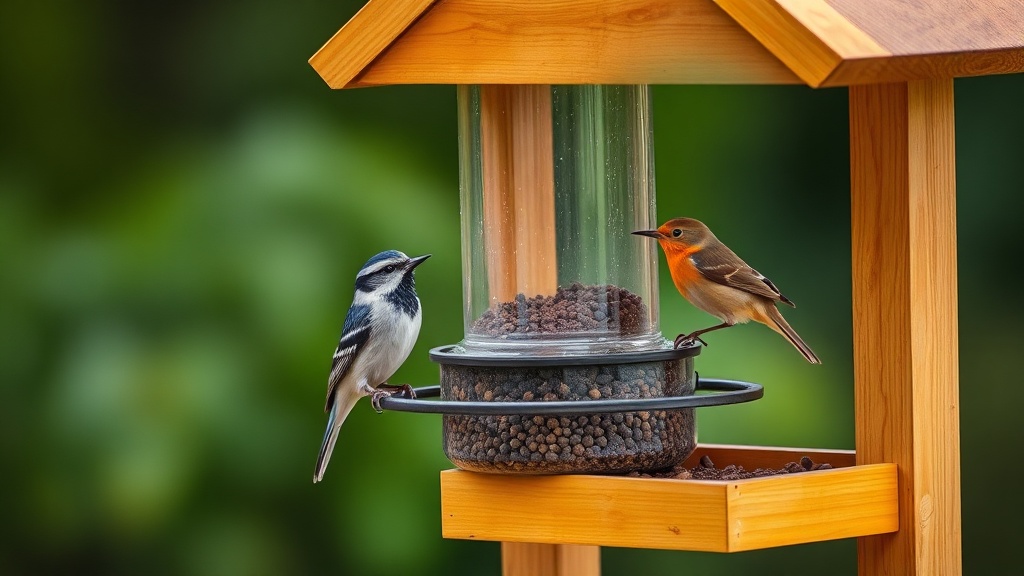
Making Your Own Backyard Bird Feeder

Are you looking to attract more songbirds to your garden without spending a fortune at a big-box store? This guide explains how to build a simple, effective backyard bird feeder using materials you likely already have in your garage or can find at a local hardware store in Smiths Falls. We'll look at the best materials for our Ontario climate, the specific seeds that attract local species, and the step-by-step construction process for a durable wooden feeder.
Building your own feeder isn't just a fun weekend project—it's a way to ensure your local wildlife stays fed during those unpredictable Eastern Ontario winters. When the snow is deep and the thermometer drops below zero, a well-placed feeder can make a massive difference for the birds in your neighborhood.
What Materials Do I Need to Build a Bird Feeder?
You need weather-resistant wood, non-toxic fasteners, and a durable tray or mesh to hold the seed. For our climate, I highly recommend using cedar or redwood because they handle moisture and rot much better than standard pine. If you use pine, you'll likely be rebuilding it by next spring after the heavy spring rains hit the Rideau Valley.
Here is a quick checklist of what you should gather before you start:
- Cedar Boards: 1x6 boards are standard and easy to work with.
- Galvanized Screws: These won't rust when the snow melts.
- Acrylic or Plexiglass: This works great for the side windows to keep the seed contained.
- Eye Bolts: For hanging the feeder from a sturdy branch or a shepherd's hook.
- Wood Glue: Make sure it is exterior grade (waterproof).
Don't bother with fancy exotic woods. Simple, untreated cedar is perfect. Avoid using pressure-treated wood for the parts that touch the seed directly, as the chemicals used to treat that wood can be harmful to birds. It's better to stick to natural, untreated options to keep your feathered guests safe.
If you want to see a professional standard for bird-safe materials, you can check out the Audubon Society website for general guidelines on backyard habitats.
How Do I Make a Simple Wooden Hopper Feeder?
A hopper feeder is the easiest design for beginners because it relies on gravity to keep the seed flowing. You'll essentially be building a small house with a hollow center where the seed sits, and a tray at the bottom where the birds eat.
Step 1: The Base and Frame
Start by cutting two identical pieces of cedar for the sides. These should be shaped like a house (a rectangle with a peaked roof). Next, cut a rectangular base that will sit between these two side pieces. Use your exterior wood glue and galvanized screws to secure the sides to the base. (Pro tip: pre-drill your holes to prevent the wood from splitting—nothing is more frustrating than a cracked board halfway through a project.)
Step 2: The Seed Reservoir
The reservoir is the "hopper" part. You can use two sheets of clear acrylic for the sides. This allows you to see exactly how much seed is left. Fasten the acrylic to the inside of your wooden frame using small screws. Leave a small gap at the bottom—about half an inch—so the seed can flow out into the tray automatically as the birds eat it.
Step 3: The Roof
The roof needs to be wide enough to protect the seed from rain and melting snow. Cut two pieces of wood for the roof and attach them to the peak of your side pieces. Make sure the roof overhangs the sides by at least an inch or two. This keeps the seed dry during a typical Ontario downpour.
Step 4: Assembly and Hanging
Finally, screw an eye bolt into the top ridge of the roof. You can then use a length of heavy-duty twine or a metal chain to hang it from a sturdy branch. I prefer using a metal chain because it stands up better to the wind and won't degrade in the sun like nylon rope.
While you're at it, make sure your hanging spot is near some cover. Birds feel much safer eating when they have a nearby bush or tree to dive into if a predator appears. It's a small detail, but it makes a huge difference in how often they'll visit your yard.
Which Bird Seeds Attract the Most Birds in Ontario?
Different birds have different tastes, but black oil sunflower seeds are the gold standard for attracting a wide variety of species. If you want to see more variety, you should offer a mix of different seed types and textures.
| Seed Type | Main Attraction | Best Season |
|---|---|---|
| Black Oil Sunflower | Goldfinches, Chickadees, Nuthatches | Year-round |
| Nyjer (Thistle) | Goldfinches | Spring/Summer |
| Suet | Woodpeckers, Bluebirds | Winter (Critical) |
| Peanut Bits | Nuthatches, Jays | Winter |
The catch? Not all seeds are created equal. Cheap "filler" seeds often contain a lot of red millet or cracked corn, which many birds won't even touch. If you see a lot of seed left in your feeder at the end of the week, you might be buying the wrong stuff. High-quality black oil sunflower seed is worth the extra few dollars because it has a higher oil content, providing more energy for the birds.
For more information on local bird species and their dietary needs, the Government of Canada provides various resources on wildlife and habitat conservation.
Maintenance and Placement Tips
A clean feeder is a healthy feeder. If you don't clean your bird feeder regularly, old seed can mold, which can actually kill the birds you're trying to help. This is especially important during our humid Ontario summers.
Here are a few things to keep in mind for long-term success:
- Clean it monthly: Use a stiff brush to remove old seeds and debris. You can use a very diluted vinegar solution to sanitize, but make sure it is completely dry before adding new seed.
- Watch the weather: If your feeder is getting soaked every time it rains, your roof overhang isn't large enough. Adjust the placement or the design.
- Keep it away from windows: Try not to place the feeder too close to a large glass pane. Birds can get startled and fly into the glass. A distance of about 10-15 feet from a window is usually a safe bet.
- Watch for predators: In our area, squirrels and even certain birds of prey can be an issue. Make sure your feeder is hanging from a branch that is difficult for squirrels to navigate.
If you're seeing a lot of squirrels, don't panic. They are incredibly persistent. Sometimes a simple baffle—a metal cone or dome placed on the pole below the feeder—is enough to keep them at bay. It's an arms race, honestly, but a little bit of ingenuity goes a long way.
Don't forget to check the tension of your hanging wire once a month. The winter wind can be brutal, and you don't want to find your hard work lying in the snow after a storm. It's a simple bit of maintenance that prevents a lot of heartache.
Whether you're doing this to teach your kids a craft or just to enjoy the view from your kitchen window, building your own feeder is a rewarding way to connect with the local ecosystem. It's a small project that yields a lot of joy, especially when you see that first Chickadee land on your hand-built creation.
Steps
- 1
Gather your recycled materials
- 2
Cut the base and supports
- 3
Assemble the structure
- 4
Hang it in a safe spot