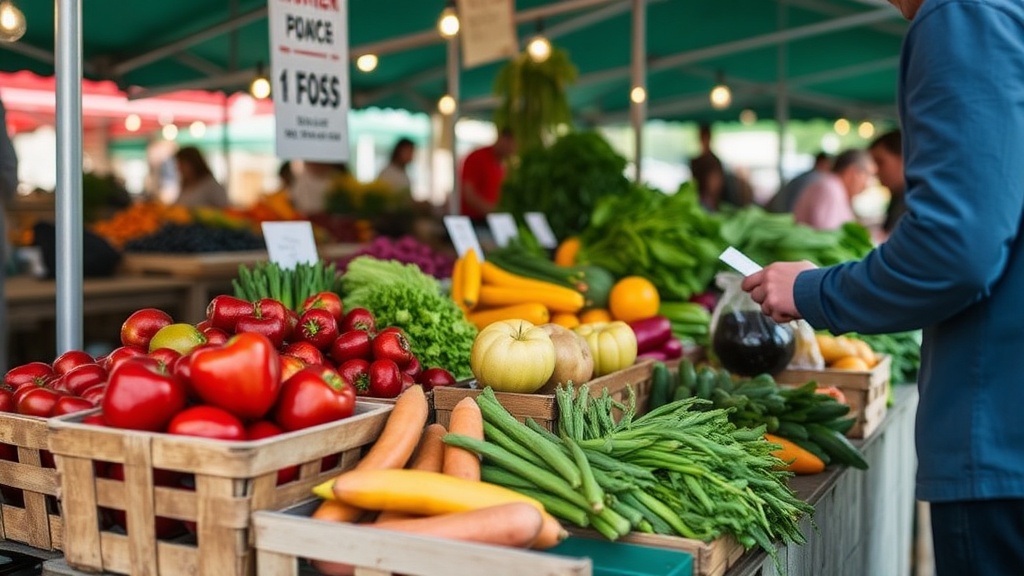
Finding the Best Local Produce at the Smiths Falls Farmers Market

Are you tired of buying tasteless, flavorless tomatoes from the big-box grocery stores? This guide shows you how to master the Smiths Falls Farmers Market so you can find the highest quality seasonal produce, support local Eastern Ontario growers, and save money by shopping smart. We'll look at the best times to visit, what to look for in seasonal crops, and how to handle your transactions like a local pro.
What is the best time to visit the Smiths Falls Farmers Market?
The best time to visit the Smiths-Falls Farmers Market is during the first hour of operation to ensure you get the widest selection of perishable goods. Most vendors set up their stalls early in the morning, and the most popular items—like fresh berries or specific heirloom varieties—often sell out by midday. If you arrive late in the afternoon, you might find better deals on bruised produce, but you'll also face a much smaller selection.
I've noticed a pattern over the years. The early birds get the best peaches, while the latecomers get the leftovers. It's a trade-off. If you want the premium stuff, set your alarm. If you're looking to snag a bargain on slightly older vegetables, a later stroll won't hurt.
Keep in mind that weather in the Ottawa Valley can be unpredictable. A sudden thunderstorm might drive vendors away or make the market much thinner. It's always a good idea to check the local weather forecast before you head out of the house. You don't want to carry heavy bags of potatoes through a downpour.
A Pro-Tip for Seasonal Timing
The availability of certain foods depends entirely on the growing season in Ontario. You can track general growing seasons via the Wikipedia page on farmers' markets to understand how regional production works. In our part of the province, the window for fresh produce is relatively tight due to our frost dates.
- Early Summer (June/July): Focus on leafy greens, radishes, and early berries.
- Mid-Summer (July/August): This is peak season for tomatoes, peppers, and stone fruits like peaches.
- Late Summer/Fall (September/October): Look for squash, pumpkins, apples, and root vegetables.
How much does organic produce cost at the market?
Prices at the Smiths Falls Farmers Market vary based on the specific crop, the producer's methods, and current seasonal availability. While you might find that organic or artisanal items carry a slightly higher price tag than discount grocery stores, you are often paying for quality and freshness that travels a shorter distance. You can compare prices by looking at local trends on sites like Ontario Agriculture resources to see how regional-scale production impacts local pricing.
Don't assume everything is expensive. Many farmers sell "seconds"—produce that might look a little wonky but tastes perfect—at a significant discount. It’s a great way to get high-quality food into your kitchen without breaking the bank. (I personally love buying the "ugly" carrots; they taste exactly the same in a stew.)
Here is a rough breakdown of what you might expect to see in your basket compared to typical retail-store pricing:
| Produce Item | Typical Market Price (Per Unit/Weight) | Value Level |
|---|---|---|
| Strawberries (Pint) | $4.00 - $6.00 | High (Seasonal) |
| Heirloom Tomatoes (Lb) | $3.00 - $5.00 | Premium |
| Green Beans (Lb) | $3.00 - $4.50 | Standard |
| Local Honey (Jar) | $8.00 - $12.00 | Investment |
That said, the value isn't just in the price tag. You're paying for the ability to talk to the person who actually grew the food. That connection is something a supermarket can't offer. It's also a way to ensure your money stays within the Smiths Falls community.
How do you identify high-quality vegetables?
To identify high-quality vegetables, look for vibrant colors, firm textures, and seasonal scents. For example, a fresh tomato should have a slight weight to it and a deep, consistent color, while a cucumber should feel heavy and crisp rather than soft or rubbery. If you're looking for greens, avoid any that show signs of wilting or discoloration at the edges.
Ask questions. This is the part most people skip. Ask the vendor, "When was this harvested?" or "What is the best way to cook this?" A good farmer will be thrilled to talk about their crop. If they can tell you exactly which field that lettuce came from, you're likely looking at a high-quality product.
Here's a quick checklist for your next trip:
- The Scent Test: If it has a scent (like herbs or berries), it should be strong and pleasant.
- The Weight Test: Fruit should feel heavy for its size, indicating high water content and freshness.
- The Color Check: Avoid any produce that looks dull or faded.
- The Texture Feel: Root vegetables should be hard and free of soft spots.
If you're interested in more ways to connect with the local environment, you might enjoy reading about making your own backyard bird feeder to support local wildlife once your garden season is over. It's all part of being a good steward of our local land.
One thing to watch out for is over-reliance on certain varieties. If you always buy the same type of apple, you'll miss out on the incredible diversity of the Ontario harvest. Try something new every week. It keeps the shopping experience interesting and helps you discover new favorite flavors.
I often tell people that the market is a living thing. It changes every single week. One week you're hunting for the perfect snap pea, and the next you're looking for the best autumn squash. Embrace the change. It's part of the fun of being a local shopper.
If you want to get even more involved in the local food scene, consider looking into community gardens or local allotments. It's a great way to see the process from seed to plate. But for most of us, the farmers market is the perfect middle ground between growing it yourself and buying it from a shelf.
Always remember to bring your own reusable bags. Most vendors appreciate it, and it's better for the environment. There's nothing worse than having a heavy bag of produce break because you used a flimsy single-use plastic bag. Bring sturdy canvas or mesh bags instead.
Lastly, keep some cash on hand. While many vendors now accept digital payments or cards, having cash makes transactions much faster and easier, especially if the Wi-Fi or cellular signal is weak in the area. It also helps the smaller vendors who might have higher processing fees for credit cards.
Steps
- 1
Check the Seasonal Calendar
- 2
Arrive Early for Best Selection
- 3
Bring Reusable Bags
- 4
Ask Vendors About Their Harvest